Why Integrated Marketing Solutions Outperform Isolated Efforts
Marketing success demands coordinated strategies across multiple channels. Yet many businesses operate with disconnected campaigns, fragmented messaging, and siloed teams. This isolated approach wastes resources, confuses customers, and limits potential results dramatically.
The evidence supporting integration proves overwhelming. Research demonstrates that campaigns integrating at least four digital marketing channels are more likely to outperform single or dual-channel campaigns by 300%. This dramatic performance difference validates integrated approaches' superior effectiveness.
More compelling, data reveals that companies with integrated multi-channel marketing are 3x more effective than those with no integrated campaigns. These statistics demonstrate integration's critical importance for competitive success in modern markets.
M360 Solutions provides educational frameworks helping businesses understand and implement integrated marketing solutions. Our systematic approach transforms fragmented efforts into cohesive strategies delivering measurable compound effects.
Understanding Integrated Marketing Solutions
Integrated marketing solutions represent systematic approaches coordinating all marketing activities around unified strategies and consistent messaging. This methodology ensures every channel, campaign, and communication reinforces others rather than operating independently.
Integration spans strategic and tactical dimensions. Strategically, all marketing supports overarching business objectives through aligned positioning. Tactically, execution coordinates timing, messaging, and creative elements across channels. This comprehensive alignment creates powerful synergies.
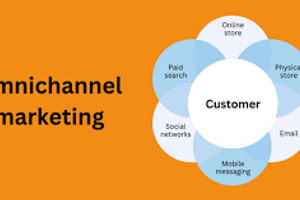
The approach differs fundamentally from multi-channel marketing. Multi-channel marketing simply uses multiple platforms. Integrated marketing ensures those platforms work together systematically. Coordination transforms separate activities into unified customer experiences.
Current trends demonstrate growing recognition of integration's importance. The global integrated marketing communication market was valued at $2,965.2 million in 2024. It will expand at 11.50% compound annual growth rate through 2031. This substantial investment validates integration's strategic value.
Consumer journeys span multiple touchpoints before purchase decisions. Research indicates it takes an average of 6 separate touchpoints for someone to purchase a product. Integration ensures these touchpoints deliver consistent messages, building recognition and trust progressively.
Why Isolated Efforts Fail Modern Consumers
Fragmented marketing creates multiple problems, undermining effectiveness. Understanding these challenges explains why integration proves essential rather than optional.
Message Inconsistency Confuses Audiences
Disconnected campaigns often communicate conflicting messages. Social media promotes one offer, emails feature different content, and websites display yet another message. This inconsistency creates confusion, damaging brand credibility.
Customers encountering mixed messages question brand professionalism and reliability. Confusion breeds hesitation. Hesitation prevents conversion. Consistent messaging across all touchpoints builds confidence, accelerating purchase decisions.
Efficiency Losses Through Duplication
Siloed teams duplicate efforts, creating unnecessary work. Multiple departments create similar content independently. Resources are wasted producing redundant materials that coordinated teams could develop collaboratively more efficiently.
Budget allocation becomes inefficient without strategic coordination. Departments compete for resources rather than collaborating toward shared objectives. Integration optimizes resource deployment, maximizing overall return on investment.
Limited Strategic Perspective
Isolated efforts prevent understanding complete customer journeys. Marketing sees website visits, sales tracks conversions, and service handles complaints. Without integration, no one understands how these touchpoints connect throughout relationships.
This fragmentation prevents strategic optimization. Businesses cannot improve what they don't comprehensively understand. Integrated measurement reveals opportunities that isolated metrics miss completely.
Weakened Competitive Positioning
Competitors implementing integrated strategies capture advantages. Their coordinated messages create stronger brand recognition. Their optimized resource allocation delivers superior efficiency. Fragmented approaches cannot compete against systematic integration.
Studies show that 86% of marketers agree that multichannel marketing is increasing in effectiveness. Market evolution favors integrated approaches increasingly. Businesses clinging to isolated efforts fall further behind progressively.
M360 Solutions educates businesses about integration benefits through practical frameworks. Our systematic approach demonstrates how coordination creates compound advantages impossible through fragmentation.
Key Components of Effective Integration
Several essential elements determine integration success. Understanding these components enables systematic implementation, delivering measurable improvements.
Unified Strategic Foundation
Integration requires clear overarching strategies guiding all activities. Brand positioning defines what you represent in customers' minds. Value propositions articulate specific benefits you deliver. Target audience definitions ensure messages reach the right people.
Strategic clarity prevents tactical confusion. When teams understand core positioning, individual activities naturally align. Strategic foundations enable coordinated execution across departments and channels.
Consistent Brand Identity
Visual and verbal identity consistency creates immediate recognition. Signature colors, typography, and design styles distinguish brands in crowded environments. Distinctive voice and personality make communications recognizable regardless of the channel.
Research demonstrates that 81% of consumers need to trust a brand before buying. Consistent identity builds trust through professional presentation and reliable experience. Inconsistency undermines credibility, damaging conversion effectiveness.
Cross-Channel Campaign Coordination
Integrated campaigns coordinate messaging, timing, and creative elements across touchpoints. Customers encounter coherent narratives whether engaging through email, social media, websites, or advertising. This coordination reinforces messages through repetition and consistency.
Campaign calendars synchronize activities, preventing conflicting messages. Launch timing coordinates across channels, creating impact through simultaneous presence. Strategic sequencing builds narrative arcs, guiding prospects through consideration journeys.
Unified Customer Data
Customer data platforms integrate information from multiple sources, creating complete profiles. These unified views enable sophisticated personalization whilst maintaining consistency. Understanding complete histories prevents treating customers as strangers across different touchpoints.
Integrated analytics reveal how channels work together throughout customer journeys. Attribution modeling credits touchpoints appropriately. This visibility guides intelligent resource allocation toward the highest-impact activities.
Organizational Alignment
Integration requires breaking down silos between departments. Marketing, sales, customer service, and product development must collaborate rather than compete. Cross-functional teams enable systematic coordination.
Shared objectives align departments around common goals. When everyone pursues identical outcomes, natural cooperation replaces territorial conflicts. Integrated incentives reward collaboration over individual department optimization.
Practical Steps for Integration Implementation
Abstract understanding means nothing without systematic execution. These practical steps guide the transformation from fragmented to integrated approaches.
Conduct Integration Audit
Assess current coordination levels honestly. How consistent is messaging across channels? Do teams collaborate or compete? Where do redundancies exist? Thorough evaluation reveals starting points and priorities.
Customer journey mapping visualizes all touchpoints throughout relationships. Understanding this progression identifies gaps and inconsistencies requiring attention. Systematic mapping prevents overlooking critical interactions.
Develop Unified Strategy
Create comprehensive strategies aligning all marketing activities. Clear positioning statements guide tactical decisions. Documented brand guidelines ensure consistency. Strategic frameworks provide coordination blueprints.
Collaborative planning involves all relevant departments. Inclusive development builds buy-in whilst capturing diverse perspectives. Shared ownership accelerates implementation through committed participation.
Implement Coordination Mechanisms
Establish regular cross-functional meetings, maintaining alignment. Weekly tactical coordination prevents conflicts. Monthly strategic reviews ensure continued relevance. Systematic communication prevents fragmentation.
Shared calendars synchronize activities across teams. Centralized planning tools provide visibility, enabling coordination. Technology platforms facilitate collaboration despite geographic distribution.
Measure Integrated Performance
Track metrics revealing integration effectiveness. Brand consistency scores assess message alignment. Cross-channel attribution reveals coordination benefits. Integrated measurement demonstrates compound effects.
Regular reporting maintains transparency with stakeholders. Monthly dashboards show progress. Quarterly reviews assess strategic alignment. Data-driven accountability builds confidence, justifying continued integration investment.
M360 Solutions provides comprehensive integration support, ensuring businesses implement effectively. Our educational approach builds internal capabilities alongside delivering immediate results.
Frequently Asked Questions
What is integrated marketing?
Integrated marketing coordinates all marketing activities around unified strategies and consistent messaging. It ensures every channel, campaign, and communication reinforces others creating cohesive customer experiences throughout relationships.
Why does integration outperform isolated efforts?
Integration creates compound effects through consistency, eliminates wasteful duplication, optimizes resource allocation, and builds stronger brand recognition. Coordinated messages prove more memorable than fragmented communications.
How long does implementing integration take?
Basic coordination can begin immediately through improved communication. However, comprehensive integration typically requires three to six months for full implementation. Cultural transformation toward collaboration takes longer.
What challenges prevent integration?
Organizational silos, competing priorities, legacy systems, and cultural resistance create barriers. However, executive commitment, clear objectives, and systematic frameworks overcome these obstacles progressively.
Can small businesses benefit from integration?
Absolutely. Integration proves particularly valuable for resource-constrained organisations. Coordination prevents wasteful duplication, maximizing limited resources. Small businesses often achieve integration faster than large bureaucratic organisations.
Transform Your Marketing Through Integration Education
The evidence overwhelmingly validates integrated marketing solutions' superior performance. Coordinated approaches consistently outperform fragmented efforts across every meaningful metric. Integration creates sustainable competitive advantages through systematic coordination.
M360 Solutions provides educational frameworks to help businesses understand and implement integration systematically. Our approach combines theoretical knowledge with practical application. We don't just explain integration; we guide implementation, ensuring measurable results.
Don't let fragmented approaches limit your marketing potential. Integration transforms disconnected activities into cohesive strategies, delivering compound effects. Professional guidance accelerates integration whilst avoiding expensive mistakes.
Whether you're beginning integration journeys or enhancing existing coordination, expert support delivers superior outcomes. Our educational methodology ensures teams understand integration principles whilst implementing them effectively.
Your business deserves marketing strategies maximizing every resource through systematic coordination. Transform isolated efforts into integrated solutions delivering measurable competitive advantages through professional education and implementation support.
Ready to learn how integration transforms marketing performance?
Call us now: +2348064968725
Visit our website: www.m360solutionsgroup.com
Learn why integrated marketing solutions deliver superior results. Discover proven strategies that outperform fragmented approaches consistently.