Elevating Your Online Presence with Omnichannel Strategy
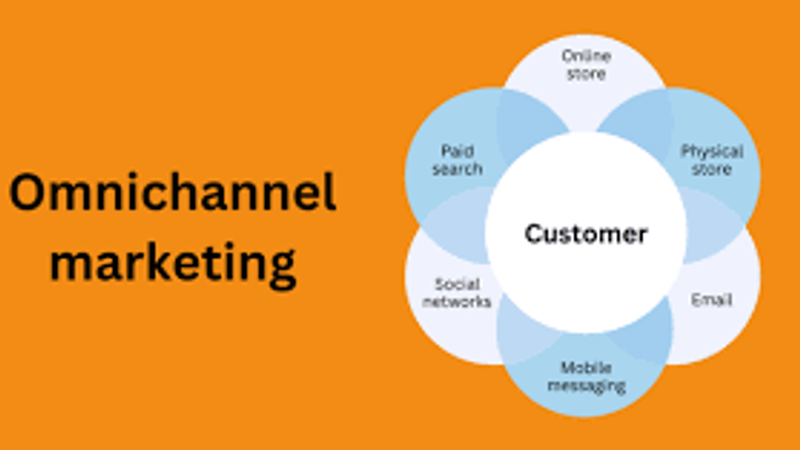
Your customers don't think in channels, yet most businesses still market that way.
A potential buyer might discover your brand on Instagram, research products on your website, ask questions via email, and complete their purchase in-store. They expect consistency and continuity throughout this journey, not disjointed experiences that feel like interacting with separate companies.
Omnichannel marketing bridges these disconnected touchpoints into unified customer experiences. It recognises that modern consumers move fluidly between online and offline channels, expecting brands to remember their preferences and conversations regardless of platform.
Understanding Channel Synergy in Modern Marketing
Channel synergy occurs when different marketing platforms work together harmoniously rather than competing for attention and resources. Each channel amplifies the others, creating a combined impact greater than isolated efforts.
Traditional multi-channel marketing treats each platform independently. Social media runs separately from email campaigns, which operate independently from physical locations. This fragmentation frustrates customers and wastes marketing resources.
According to research by Harvard Business Review, customers who use multiple channels spend 4% more in-store and 10% more online than single-channel shoppers. This behaviour demonstrates omnichannel strategies' financial value.
Channel synergy transforms how businesses communicate. Messages reinforce rather than repeat, creating cohesive narratives that guide customers smoothly from awareness through purchase and loyalty.
Building Blocks of Effective Omnichannel Marketing
Unified Customer Data
Successful omnichannel strategies begin with integrated customer data platforms. These systems consolidate information from every touchpoint into comprehensive customer profiles.
When sales teams access the same customer history as marketing departments, conversations become more relevant and personalised. This consistency builds trust and accelerates purchasing decisions.
Data integration eliminates the frustration of customers repeating information across channels. Your team should recognise returning customers, whether they contact you via phone, chat, email, or in person.
Consistent Brand Messaging
Your brand voice, values, and visual identity must remain consistent across all platforms. Customers should instantly recognise your communications regardless of where they encounter them.
This consistency doesn't mean identical content everywhere. Instead, adapt your core message appropriately for each channel's unique characteristics and audience expectations.
Social media allows informal conversations, while email enables detailed explanations. Both should reflect the same underlying brand personality and communicate aligned messages.
Seamless Customer Journeys
Map typical customer paths across channels to identify friction points. Where do handoffs between platforms create confusion or require unnecessary effort?
Enable customers to start actions on one channel and complete them on another. Shopping carts should sync across devices, and customer service inquiries should transfer smoothly between platforms.
Trends Driving Omnichannel Evolution
Mobile devices have become central hubs connecting all other channels. Consumers use smartphones to research products in-store, compare prices, read reviews, and make purchases.
According to Salesforce research, 80% of customers say the experience a company provides is as important as its products. This expectation elevates omnichannel execution from optional to essential.
Social commerce blurs lines between discovery and purchase. Platforms like Instagram and Facebook now enable direct transactions without leaving the app, requiring businesses to integrate e-commerce across social channels.
Artificial intelligence provides updates that personalise omnichannel experiences at scale. AI analyses cross-channel behaviour patterns to predict preferences and optimise messaging timing across platforms.
Implementing Your Omnichannel Strategy
Audit Current Channel Performance: Evaluate how each platform currently contributes to customer acquisition, engagement, and retention. Identify gaps in channel integration and customer experience consistency.
Invest in Integration Technology: Customer relationship management systems and marketing automation platforms enable omnichannel coordination. These tools synchronise data and trigger appropriate communications across channels.
Train Teams Across Departments: Omnichannel success requires organisational alignment. Sales, marketing, customer service, and operations must collaborate rather than operate in silos.
Create Channel-Specific Content: Develop content optimised for each platform whilst maintaining consistent core messaging. Video thrives on social media, detailed guides perform well on websites, and concise updates suit email.
Overcoming Omnichannel Implementation Challenges
Many businesses struggle with legacy systems that don't communicate effectively. Gradual technology upgrades often prove more practical than complete overhauls that disrupt operations.
M360 Solutions guides businesses through omnichannel transformation challenges, ensuring technology investments align with strategic objectives and customer needs.
Budget constraints require prioritisation. Start by integrating your most important customer touchpoints rather than attempting simultaneous omnichannel deployment across every platform.
Organisational resistance emerges when departments protect their territories. Leadership must champion collaboration and reward cross-functional cooperation that improves customer experiences.
Measuring Omnichannel Success
Track customer journey metrics that span multiple channels. Conversion paths reveal how different touchpoints contribute to final purchases and which channel combinations perform best.
Customer lifetime value increases when omnichannel strategies succeed. Loyal customers engaging across multiple platforms generate more revenue than those limited to single channels.
Monitor channel attribution carefully. Understand which platforms initiate customer relationships, which nurture consideration, and which close sales to optimise budget allocation.
Common Questions About Omnichannel Marketing
How does omnichannel differ from multichannel marketing?
Multichannel uses multiple platforms independently. Omnichannel integrates these platforms into cohesive customer experiences with consistent messaging and shared data.
What's the minimum number of channels needed?
Quality matters more than quantity. Three well-integrated channels outperform ten disconnected platforms. Focus on where your customers actively engage.
Can small businesses implement omnichannel strategies?
Absolutely. Start with core channels and gradually expand integration. Cloud-based tools make sophisticated omnichannel capabilities accessible at various budget levels.
How long does omnichannel implementation take?
Timeline depends on the current infrastructure and scope. Basic integration might require months, whilst comprehensive transformation could span years with phased rollouts.
Transform Customer Experiences Through Channel Integration
Omnichannel marketing represents the future of customer engagement. Businesses that master channel synergy build competitive advantages that pure product differentiation cannot match.
M360 Solutions helps businesses design and implement omnichannel strategies that create seamless customer journeys across digital and physical touchpoints.
Your customers already move between channels effortlessly. Your marketing should too.
Call: +2348064968725
Visit our website: www.m360solutionsgroup.com
Master omnichannel marketing to create seamless customer experiences. Discover channel synergy strategies that boost engagement and drive business growth.